
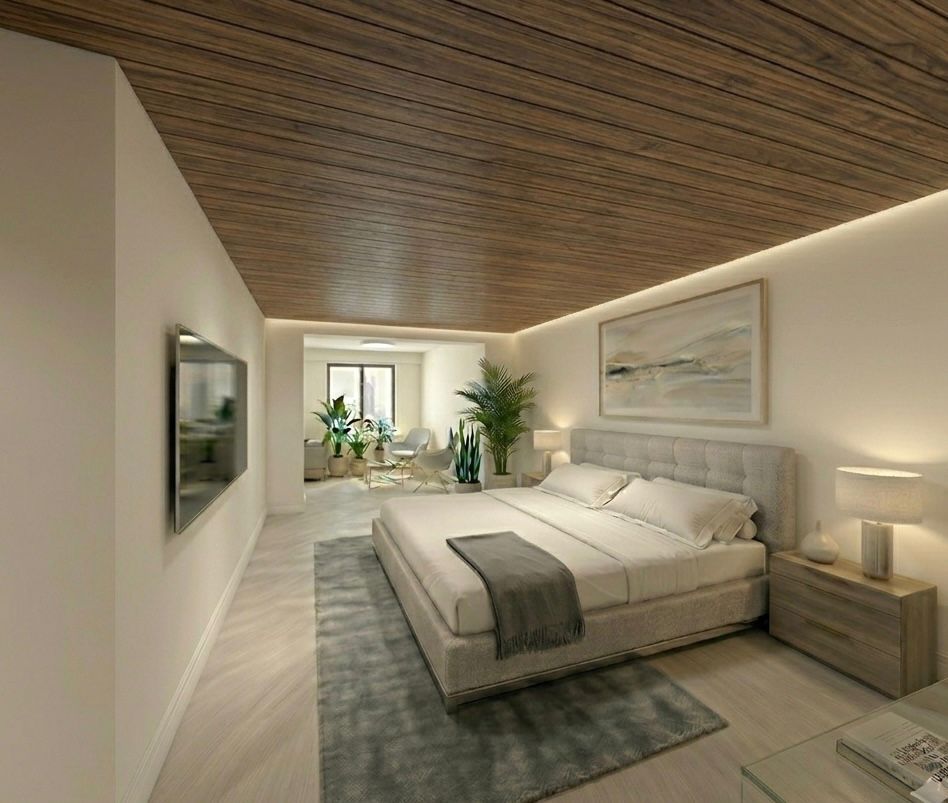
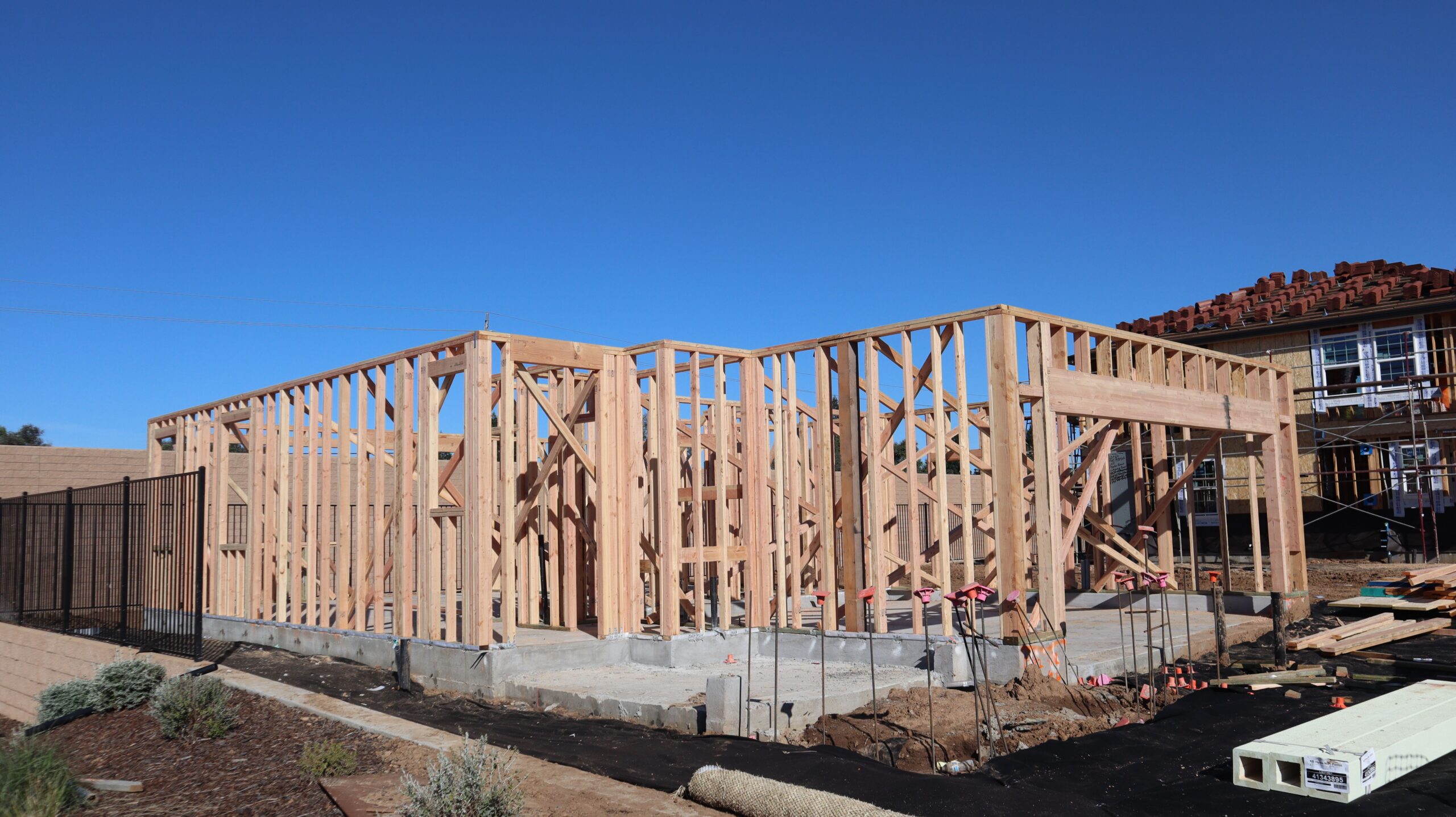
If you own a single-family home in Miami-Dade County, there’s a good chance you’ve thought about adding an accessory dwelling unit (ADU) — a backyard cottage, in-law suite, or secondary dwelling that adds living space, rental income, or room for your family. Meeting Miami-Dade ADU requirements comes down to your zoning district, lot size, and a handful of site-specific rules.
As a Miami general contractor that handles ADU design, permitting, and construction from start to finish, we get this question constantly: “Can I actually build one on my property?” This guide walks through the current Miami-Dade ADU requirements so you know what to check before you invest in design or engineering costs.
Miami-Dade ADU Requirements: Which Zoning Districts Qualify?
Miami-Dade County Code treats ADUs and guesthouses as two related but legally distinct structures, and the difference matters a lot for how you’ll be able to use the space.
An ADU is an attached or detached structure with its own kitchen, bathroom, and sleeping area, built on the same lot as your main home. It’s meant for a separate household — and unlike many other jurisdictions, Miami-Dade explicitly allows you to rent it out for a fee.
A guesthouse looks similar on paper, but it’s restricted to unpaid use by the homeowner’s own family or guests. You cannot collect rent on a guesthouse unless you formally convert it to an ADU.
Both fall under the umbrella term “accessory unit,” and the county allows converting one into the other later if your plans change — as long as the paperwork and inspections are updated accordingly.
Which Zoning Districts Allow an ADU in Miami-Dade?
Not every residential lot qualifies. Under the current ordinance, one accessory unit per lot is permitted in these zoning districts, provided the property sits inside the county’s Urban Development Boundary:
- AU (Agricultural)
- EU (Estate)
- RU (Residential — including RU-1 single-family districts)
- GU properties that are “trended” toward AU, EU, or RU zoning
Guesthouses are also now permitted in RU-1 districts, which previously only allowed them in EU and AU zones.
If you’re not sure which district your property falls into, Miami-Dade’s Land Management tool lets you look up zoning classification, density, and approved land uses by address or folio number — it’s the fastest way to get a preliminary answer before spending money on design.
Minimum Lot Size Requirements
Beyond zoning, your lot has to be large enough to support an accessory unit. The county’s baseline requirement is a minimum lot size of 7,500 square feet. Smaller lots — even in an otherwise eligible zoning district — generally won’t qualify for a new ADU under current rules.
This is one of the most common reasons a property gets ruled out early, so it’s worth confirming lot size against the county’s records (not just a rough estimate) before moving forward with design.
Lot size is one of the most important Miami-Dade ADU requirements to confirm early, since it rules out more properties than any other single factor.
Attached vs. Detached ADUs
You have flexibility in how the unit is built:
- Attached ADUs are constructed as part of, or connected to, the existing home — including converting an existing portion of the house into a self-contained unit.
- Detached ADUs are freestanding structures elsewhere on the lot, such as a backyard cottage.
If you go the detached route, there’s an added rule: the ADU’s height cannot exceed the height of your principal home, and standard setback requirements still apply to the detached structure.
Size, Setback, Parking, and Location Requirements
A few site-specific rules shape what you can actually build:
- Size: In RU-1 districts, the accessory dwelling must fall between 400 and 800 square feet.
- Setbacks: Detached structures must meet applicable setback requirements — this varies by property and is confirmed during zoning review.
- Parking: You’ll need to provide a maximum of one additional parking space, and the property can’t exceed two vehicles total. That space must fit within your own property or the adjacent swale — no covered parking or garage is required.
- Placement: A detached ADU cannot be located in front of the principal structure, and it generally needs to match the exterior finish and roof style of the main house to preserve neighborhood character.
ADU vs. Guesthouse: Which One Do You Need?
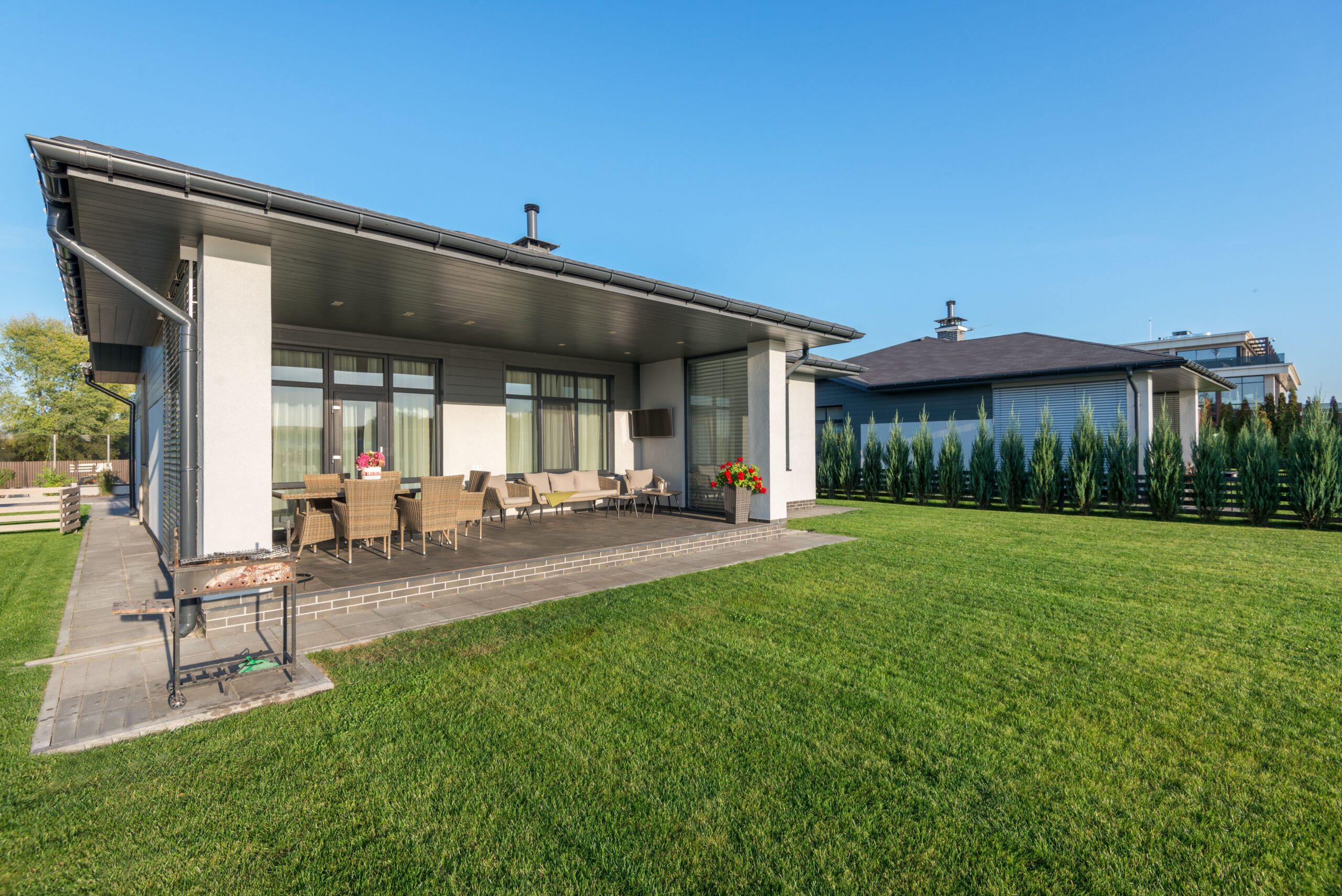
If your goal is rental income — long-term tenant, family member paying rent, or an income property — you need an ADU, not a guesthouse. Only an ADU with an active Certificate of Use can legally be rented.
If you simply want extra space for visiting family or guests with no money changing hands, a guesthouse is the simpler path: it requires a one-time permanent Certificate of Use rather than an annual renewal, and it doesn’t need a separate address or independent utilities.
Either way, Miami-Dade limits you to one accessory unit per lot — you can’t build both an ADU and a guesthouse on the same property.
Can You Rent Out Your ADU?
Yes — with conditions. An ADU with a valid, renewed Certificate of Use can be rented for a fee. A guesthouse cannot be rented under any circumstance unless it’s formally converted to ADU status first.
One important restriction: neither an ADU nor a guesthouse can be listed as a standalone vacation rental. If you want to offer the property as a short-term/vacation rental, the entire property — main house and accessory unit together — has to be included in that listing.
It’s also worth knowing that adding a rentable ADU can affect your property taxes, since it typically increases your assessed value and can impact certain homestead or senior exemptions. We recommend checking with the Property Appraiser’s office before finalizing your plans if this applies to you.
Design, Permitting, and Construction Process

Here’s roughly how the process runs for a Miami-Dade ADU, from first idea to move-in ready:
- Feasibility check — Confirm zoning district, lot size, and any HOA restrictions using the county’s Land Management tool (or have your contractor do this for you).
- Design — Work with a licensed design professional, or use the county’s pre-approved ADU Blueprint program, which offers vetted designs that can shorten the permitting timeline.
- Permit application — Submit your plans, owner disclosure statement, and required documentation through the county’s plan submission portal. Reviews typically touch several disciplines: structural, electrical, mechanical, and plumbing.
- Construction — Build to permitted plans, with inspections at key milestones.
- Certificate of Use — Apply for your CU after construction is complete and pass the required interior inspection before you can legally occupy or rent the unit.
Because an ADU touches zoning, structural, and multiple building trades at once, most homeowners find it far smoother to work with a general contractor who manages the whole sequence — design coordination, permit submission, and construction — instead of piecing it together with separate vendors.
What We Need for an Initial Feasibility Review
To give you a fast, informed read on whether your property qualifies, we typically just need:
- Your property address or folio number
- What you’re hoping to use the space for (rental income, family suite, home office, etc.)
- Whether your property is part of an HOA
- A rough idea of what you’re planning to achieve.
From there, we can check zoning, lot size, and general feasibility before you spend anything on design.
Why Work With a Licensed Miami General Contractor for Your ADU
Building a backyard house or guesthouse touches zoning, structural engineering, permitting, and several construction trades — all coordinated under Miami-Dade’s specific ADU rules. As a process-driven general contractor serving Miami-Dade and Broward, we manage the entire sequence in-house: feasibility review, design coordination, permit submission, and construction, with one point of contact from start to finish.
Understanding these Miami-Dade ADU requirements up front — before hiring a designer or engineer — is what saves homeowners the most time and money.
Send us your property address for an initial ADU feasibility review.